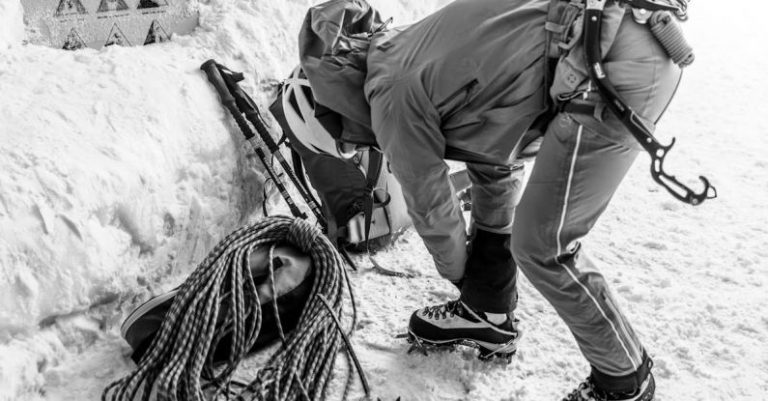
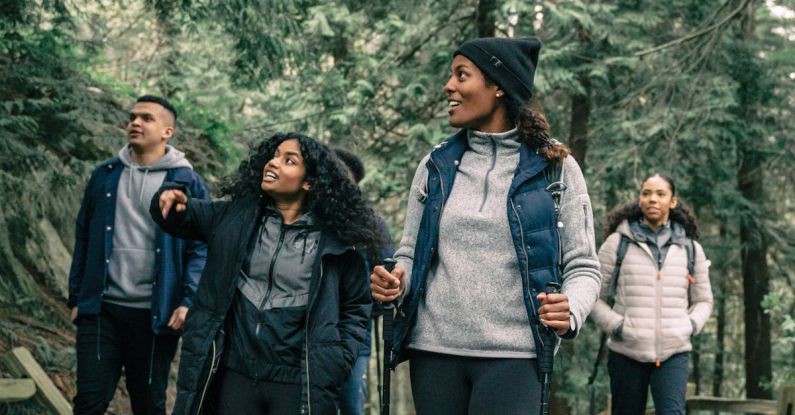
Trekking poles are essential tools for hikers, backpackers, and outdoor enthusiasts looking to maximize their performance on the trail. Not only do trekking poles provide extra stability and support, but they also help reduce strain on your joints and muscles, making your hiking experience more comfortable and enjoyable. However, using trekking poles effectively requires proper technique and understanding of how to leverage their benefits. In this article, we will explore the key strategies for using trekking poles to enhance your hiking experience.
Choosing the Right Trekking Poles
Before you can start using trekking poles effectively, you need to make sure you have the right equipment. When selecting trekking poles, consider factors such as weight, material, grip style, and adjustability. Lightweight poles made from carbon fiber are ideal for long-distance hiking, while aluminum poles offer durability and strength for more rugged terrain. Look for poles with ergonomic grips that fit comfortably in your hands and adjustable length settings to suit your height and the terrain you will be hiking on.
Proper Technique for Trekking Poles
To use trekking poles effectively, it’s crucial to master the proper technique. Start by adjusting the length of your trekking poles so that your elbows are at a 90-degree angle when holding the grips. When walking uphill, shorten the poles to help push yourself forward and upward. Conversely, extend the poles when descending to provide stability and reduce impact on your knees. Keep your wrists straight and grip the poles lightly to maintain a natural arm swing while walking.
Utilizing Trekking Poles for Balance and Stability
One of the primary benefits of trekking poles is the added balance and stability they provide on uneven terrain. When navigating rocky or slippery surfaces, plant your poles firmly on the ground before taking a step to test for stability. Use your poles to establish a rhythm that complements your natural walking pace, helping you maintain balance and prevent slips or falls. By engaging your core muscles and distributing your weight evenly between the poles, you can move more confidently and securely through challenging terrain.
Enhancing Efficiency and Endurance
In addition to stability, trekking poles can also help improve your hiking efficiency and endurance. By engaging your upper body muscles while walking, you can reduce the strain on your legs and increase your overall endurance on long hikes. Push off with your poles as you step forward to propel yourself forward and conserve energy. This not only lightens the load on your lower body but also allows you to cover more ground with less effort, making your hiking experience more efficient and enjoyable.
Navigating Stream Crossings and Uphill Climbs
When faced with stream crossings or steep uphill climbs, trekking poles can be invaluable tools for maintaining traction and balance. For stream crossings, use your poles to probe the depth and stability of the water before taking a step. Cross the stream diagonally to minimize the force of the current and plant your poles firmly to support your weight. When tackling uphill climbs, shorten your poles and use them to push yourself upward while maintaining a steady pace. By leveraging your poles for support and propulsion, you can conquer challenging terrain with confidence and ease.
Maximizing Comfort and Joint Protection
Beyond their functional benefits, trekking poles also contribute to your overall comfort and joint protection while hiking. By absorbing shock and reducing impact on your knees and ankles, trekking poles can help prevent fatigue and soreness, especially on long descents or rugged trails. Adjust the tension on your poles to customize the level of shock absorption based on the terrain you are hiking on. By prioritizing your comfort and joint health, you can prolong your hiking adventures and make the most of your time outdoors.
Embracing the Versatility of Trekking Poles
In conclusion, trekking poles are versatile tools that can enhance your hiking experience in numerous ways. Whether you are a seasoned backpacker tackling challenging terrain or a casual hiker exploring local trails, trekking poles offer benefits for hikers of all skill levels. By choosing the right poles, mastering proper technique, and leveraging their support and stability, you can maximize your performance on the trail and enjoy a more comfortable and rewarding hiking experience. So, next time you hit the trail, remember to use trekking poles effectively to elevate your outdoor adventures.