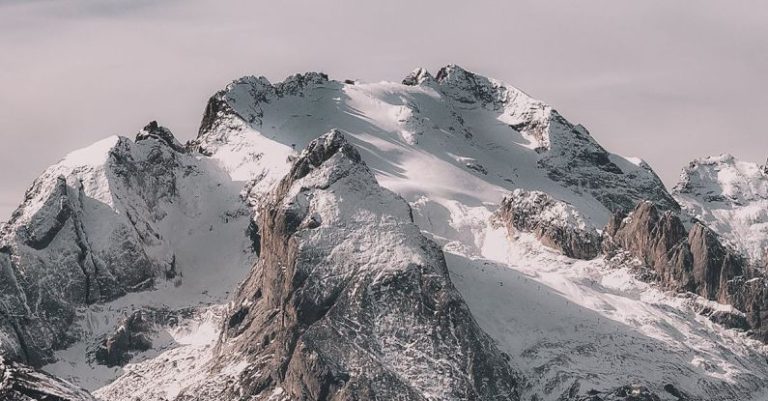

Exploring the great outdoors and hiking through stunning landscapes can be a truly enriching experience. However, with the increasing number of hikers, it is more important than ever to practice Leave No Trace principles to preserve the environment and ensure that future generations can also enjoy these natural wonders. By following some simple guidelines, you can minimize your impact on the environment and contribute to the conservation of our precious outdoor spaces.
### Plan Ahead and Prepare
Before setting out on a hike, it is crucial to plan ahead to ensure you are well-prepared for your adventure. Research the trail you will be hiking, familiarize yourself with the rules and regulations of the area, and check the weather forecast. Make sure you have all the necessary gear, including proper clothing, footwear, and sufficient water and snacks. By planning ahead, you can reduce the likelihood of encountering unexpected situations that may lead to environmental damage.
### Stick to Designated Trails
One of the fundamental principles of Leave No Trace hiking is to stay on designated trails. Venturing off-trail can trample vegetation, erode soil, and disrupt wildlife habitats. By sticking to established paths, you can minimize your impact on the surrounding environment and help preserve the natural landscape for others to enjoy. Additionally, following designated trails helps prevent soil erosion and protects fragile ecosystems from unnecessary damage.
### Dispose of Waste Properly
Proper waste disposal is essential when practicing Leave No Trace principles. Carry out all trash, including food wrappers, tissues, and any other waste you generate during your hike. Never leave trash behind, as it can harm wildlife, pollute water sources, and detract from the natural beauty of the area. If you encounter trash left by others, consider picking it up and packing it out to help keep the environment clean for everyone.
### Respect Wildlife
Encountering wildlife while hiking can be a thrilling experience, but it is important to observe animals from a safe distance and avoid disturbing their natural behavior. Do not feed wildlife or approach them too closely, as this can alter their natural habits and put both the animals and yourself at risk. Remember that you are a visitor in their home, so treat wildlife with respect and admiration from afar.
### Leave What You Find
When hiking in natural areas, it is essential to leave everything as you found it. Avoid picking flowers, removing rocks, or disturbing natural features, as these actions can disrupt the delicate balance of the ecosystem. Take only photographs and memories, leaving behind the beauty of the wilderness for others to enjoy. By leaving natural objects undisturbed, you contribute to the preservation of the environment and help maintain the integrity of the landscape.
### Be Considerate of Others
While enjoying the great outdoors, it is important to be considerate of other hikers, as well as the residents of nearby communities. Keep noise levels to a minimum, yield to other hikers on the trail, and maintain a respectful distance from fellow outdoor enthusiasts. By practicing common courtesy and respecting the experiences of others, you can help create a positive and welcoming environment for all who share the trails.
### Conclusion: Preserving the Outdoor Experience
In conclusion, practicing Leave No Trace principles while hiking is essential for preserving the natural beauty of our outdoor spaces and ensuring that they remain accessible for generations to come. By planning ahead, sticking to designated trails, disposing of waste properly, respecting wildlife, leaving what you find, and being considerate of others, you can minimize your impact on the environment and contribute to the conservation of our precious natural resources. By following these best practices, you can enjoy a fulfilling outdoor experience while also doing your part to protect and preserve the wilderness for future generations.