
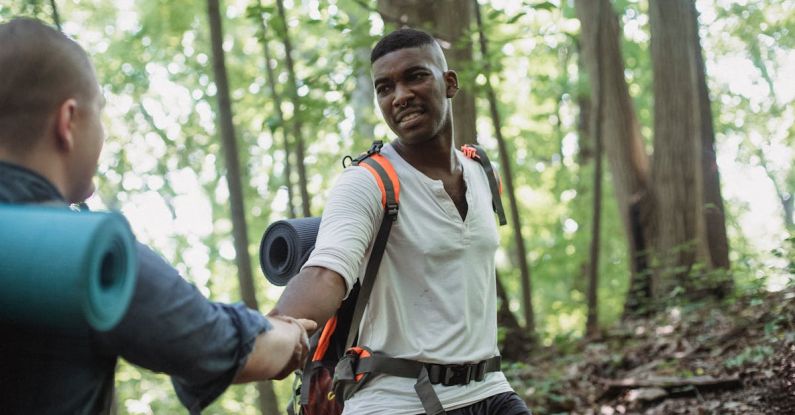
Hiking Uphill: Mastering the Techniques
Embarking on a hiking adventure can be both exhilarating and challenging, especially when faced with steep inclines. Hiking uphill requires a different set of techniques compared to hiking on level ground or downhill. To tackle those ascents with confidence and ease, mastering specific techniques is essential. By understanding how to navigate uphill terrain efficiently, you can enhance your hiking experience and reach new heights on your outdoor adventures.
Proper Foot Placement
One of the key techniques for hiking uphill is maintaining proper foot placement. When ascending a steep slope, it’s crucial to focus on where you place your feet to ensure stability and prevent slipping. Aim to step on solid ground or rocks rather than loose gravel or slippery surfaces. By planting your feet securely with each step, you’ll have a better grip and reduce the risk of losing your balance. Additionally, engaging your core muscles and maintaining a steady pace can help you navigate uphill terrain more effectively.
Utilize Trekking Poles
Trekking poles are valuable tools for hiking uphill, providing stability and support as you climb. By utilizing trekking poles, you can distribute your weight more evenly, reduce strain on your joints, and improve your balance on challenging terrain. When ascending steep slopes, plant your trekking poles firmly into the ground with each step to propel yourself forward and maintain momentum. Adjusting the length of your poles to suit the incline can also enhance their effectiveness in assisting your ascent.
Maintain Proper Posture
Maintaining proper posture is essential when hiking uphill to optimize your energy expenditure and minimize fatigue. Keep your back straight, shoulders relaxed, and gaze forward to promote efficient breathing and circulation. Avoid slouching or leaning too far forward, as this can strain your back muscles and hinder your progress. By standing tall and engaging your core muscles, you’ll improve your overall stability and endurance while tackling uphill climbs.
Use Shorter Steps
When hiking uphill, adapting your stride length is crucial to conserve energy and maintain a steady pace. Opt for shorter, more frequent steps rather than long strides to prevent overexertion and reduce the risk of tripping or slipping. By taking smaller steps, you can control your momentum and navigate steep inclines with greater ease. Focus on finding a comfortable rhythm that allows you to ascend steadily without putting undue stress on your leg muscles.
Engage Your Arms
Engaging your arms while hiking uphill can provide additional propulsion and help you maintain balance on challenging terrain. Swing your arms in coordination with your leg movements to generate momentum and assist in climbing steep slopes. By utilizing your upper body strength, you can distribute the workload across your muscles and reduce strain on your legs. Keep your elbows close to your body and maintain a fluid motion to optimize your arm movements while hiking uphill.
Take Regular Breaks
While conquering uphill hikes requires determination and stamina, it’s essential to listen to your body and take regular breaks to rest and reenergize. Pace yourself and plan strategic stops along the trail to catch your breath, hydrate, and admire the scenery. By allowing your muscles to recover and preventing exhaustion, you’ll be able to tackle challenging ascents more effectively. Remember that hiking is not a race, and it’s important to prioritize your well-being and safety during uphill treks.
Conclusion: Mastering the Art of Uphill Hiking
Mastering the techniques for hiking uphill can elevate your outdoor adventures and open up a world of exhilarating trails to explore. By focusing on proper foot placement, utilizing trekking poles, maintaining good posture, using shorter steps, engaging your arms, and taking regular breaks, you can conquer steep inclines with confidence and efficiency. Whether you’re a seasoned hiker or new to the trails, incorporating these techniques into your uphill hikes will enhance your overall experience and help you reach new summits on your outdoor pursuits. So lace up your hiking boots, embrace the challenge, and embark on a journey to conquer those uphill trails with skill and determination.