Winter hiking is a thrilling adventure that offers a unique perspective on nature’s beauty. As the chill sets in and snow blankets the landscape, the serene winter wonderland beckons hikers to explore its frosty trails. However, venturing out into the cold requires careful planning and preparation to ensure a safe and enjoyable experience. Here are the essentials you need to have for a successful winter hiking expedition.
Gear Up for the Cold
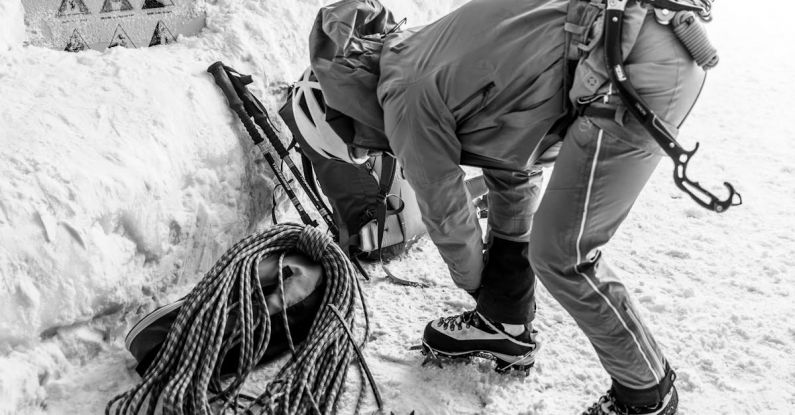
One of the most critical aspects of winter hiking is ensuring you have the right gear to stay warm and dry in the frosty conditions. Layering is key to regulating your body temperature and staying comfortable throughout your hike. Start with a moisture-wicking base layer to keep sweat away from your skin, followed by an insulating layer to trap heat, and finish with a waterproof and windproof outer layer to protect you from the elements. Don’t forget to wear warm socks, insulated boots, gloves, a hat, and a scarf or balaclava to cover exposed skin.
Invest in Quality Winter Boots
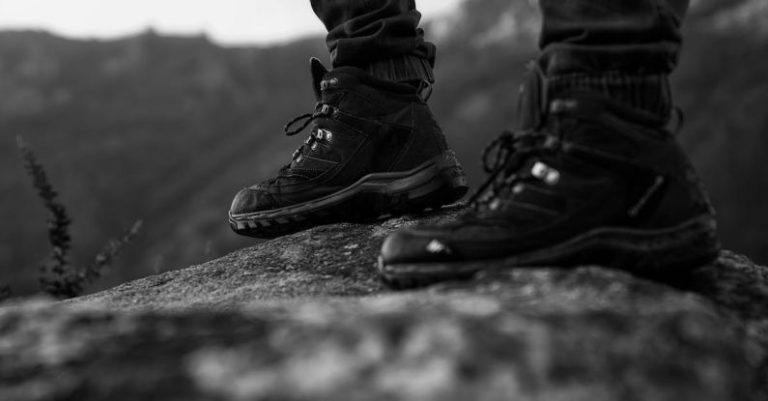
Winter boots are your best friend on snowy trails. Look for boots that are insulated, waterproof, and have good traction to prevent slipping on icy surfaces. Make sure your boots are well-fitted and provide enough ankle support to prevent injuries. Investing in a quality pair of winter boots will keep your feet warm, dry, and comfortable during your hike.
Pack Essential Safety Gear
When venturing into the winter wilderness, it’s crucial to pack essential safety gear to handle any unexpected situations. Carry a map and compass (and know how to use them), a fully charged phone or GPS device, a first aid kit, a headlamp or flashlight, extra food and water, a multi-tool, and a fire starter. In winter conditions, daylight hours are shorter, so it’s essential to be prepared in case you get lost or encounter an emergency.
Stay Hydrated and Fueled
Staying hydrated and fueled is essential for maintaining energy and warmth during winter hikes. The cold weather can dehydrate you quickly, so be sure to drink plenty of water throughout your hike. Pack high-energy snacks like nuts, dried fruits, and energy bars to keep your energy levels up. Consider bringing a thermos of hot tea or soup to warm you up from the inside out during rest breaks.
Be Mindful of the Weather
Winter weather can be unpredictable, so it’s crucial to stay informed and be prepared for changing conditions. Check the weather forecast before heading out and be mindful of signs of impending storms or extreme cold. Dress appropriately for the expected conditions and be ready to adjust your plans if the weather takes a turn for the worse. Safety should always be your top priority when hiking in winter conditions.
Know Your Limits
Winter hiking can be physically demanding, especially in snowy and icy terrain. Know your limits and choose trails that match your skill level and fitness. Don’t push yourself too hard and listen to your body if you start feeling fatigued or cold. It’s okay to turn back if conditions become too challenging or if you’re not feeling well. Remember, the goal is to enjoy the experience safely.
Conclusion: Embrace the Winter Wonderland
Winter hiking offers a unique opportunity to experience the beauty of nature in a serene and snow-covered landscape. By gearing up with the right clothing and equipment, staying informed about the weather, and being prepared for emergencies, you can embark on a safe and memorable winter hiking adventure. So, embrace the winter wonderland, explore the frosty trails, and immerse yourself in the magic of the season. Stay safe, stay warm, and enjoy the beauty of winter hiking.