
Capturing the beauty of scenic views through photography is a rewarding and enjoyable experience. Whether you are a beginner or a seasoned photographer, there are certain tips and techniques that can help you elevate your scenic photography to the next level. From choosing the right equipment to mastering composition, here are some valuable tips to help you capture stunning images of the world around you.
Gear Up for Success
Before heading out to photograph scenic views, it is essential to have the right gear. While you don’t need the most expensive equipment to take great photos, having a quality camera and lens can make a significant difference in the outcome of your images. Consider investing in a DSLR or mirrorless camera with manual settings to give you more control over your shots. Additionally, a wide-angle lens is ideal for capturing expansive landscapes and scenic vistas.
Make Use of Natural Light
Lighting plays a crucial role in photography, especially when it comes to shooting scenic views. The golden hours of sunrise and sunset provide soft, warm light that can enhance the beauty of landscapes. Avoid shooting during the harsh midday sun, as it can create harsh shadows and overexposed areas in your photos. Be patient and wait for the perfect lighting conditions to capture the most captivating images.
Focus on Composition
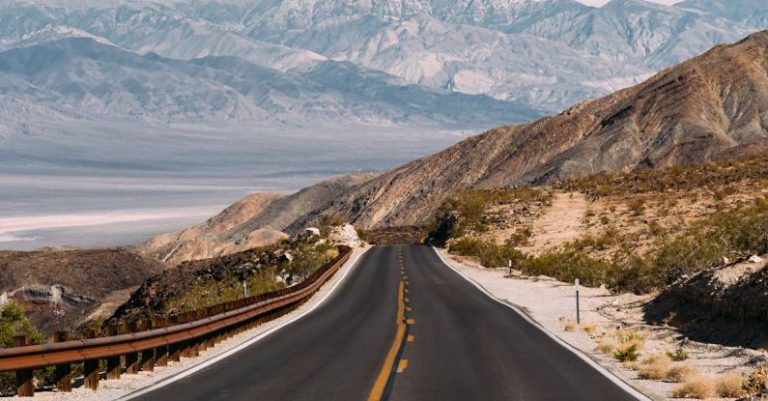
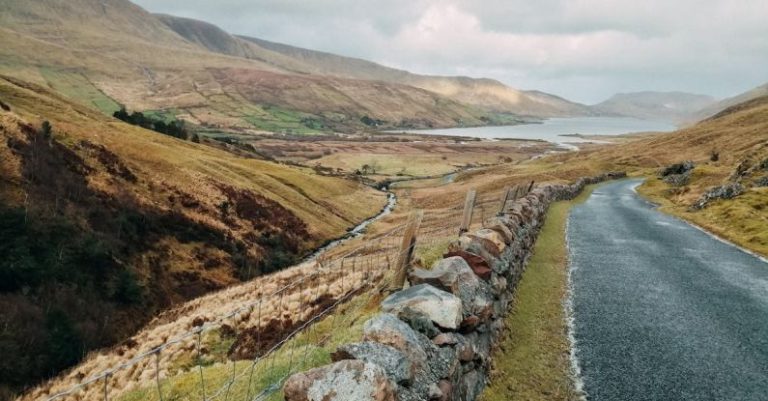
Composition is key when it comes to creating visually appealing scenic photographs. Use the rule of thirds to place the main elements of your composition off-center, creating a more dynamic and balanced image. Experiment with different angles and perspectives to find the most interesting and engaging compositions. Leading lines, such as roads or rivers, can guide the viewer’s eye through the scene and add depth to your photos.
Capture Movement and Depth
To add a sense of movement and depth to your scenic photos, consider incorporating elements such as waterfalls, flowing rivers, or swaying trees. Use a slower shutter speed to create a sense of motion in your images, whether it’s capturing the movement of clouds in the sky or the flow of a waterfall. Including foreground elements in your composition can also help create a sense of depth and dimension in your photos.
Pay Attention to Detail
While capturing the grandeur of scenic views is important, don’t forget to pay attention to the small details that can add interest and texture to your photos. Look for unique patterns, textures, and colors in the landscape, such as rock formations, foliage, or reflections in water. Get up close to your subject to capture intricate details that can add depth and visual interest to your images.
Experiment with Editing
Post-processing is an essential part of the photography process, and editing software can help enhance your scenic images and bring out their full potential. Experiment with adjusting the exposure, contrast, saturation, and white balance to fine-tune your photos. Consider using tools like cropping, sharpening, and adding filters to enhance the mood and atmosphere of your images.
Embrace the Elements
Weather conditions can greatly impact the mood and atmosphere of your scenic photos. Don’t be afraid to venture out in less-than-ideal weather conditions, as stormy skies, fog, and rain can add drama and emotion to your images. Be prepared to protect your gear from the elements and experiment with different techniques to capture the unique beauty of changing weather patterns.
Incorporate a Human Element
Adding a human element to your scenic photos can help provide a sense of scale and perspective, allowing viewers to connect more deeply with the scene. Consider including a person, animal, or object in the frame to add a storytelling element to your images. A lone figure gazing at a vast landscape or a hiker traversing a mountain trail can add a sense of wonder and awe to your scenic photographs.
Practice Patience and Persistence
Great scenic photography takes time, practice, and patience. Don’t be discouraged if your initial attempts don’t turn out as expected—keep practicing, experimenting, and refining your skills. Explore different locations, lighting conditions, and compositions to develop your unique style and vision as a scenic photographer. Remember, the more you practice, the more you will improve and grow as a photographer.
Conclusion: Elevate Your Scenic Photography
Capturing stunning images of scenic views requires a combination of technical skill, artistic vision, and a deep appreciation for the beauty of the natural world. By following these tips and techniques, you can elevate your scenic photography and create images that inspire, captivate, and transport viewers to breathtaking landscapes around the globe. So grab your camera, gear up, and embark on a journey to capture the beauty of the world through your lens.