Hiking is a popular outdoor activity enjoyed by millions of people worldwide. It allows individuals to immerse themselves in nature, breathe in fresh air, and escape the hustle and bustle of daily life. However, while hiking may seem like a low-impact activity, it can have various environmental implications that are important to consider. In this article, we will explore the environmental impacts of hiking and how outdoor enthusiasts can minimize their ecological footprint while enjoying the great outdoors.
### Trail Erosion
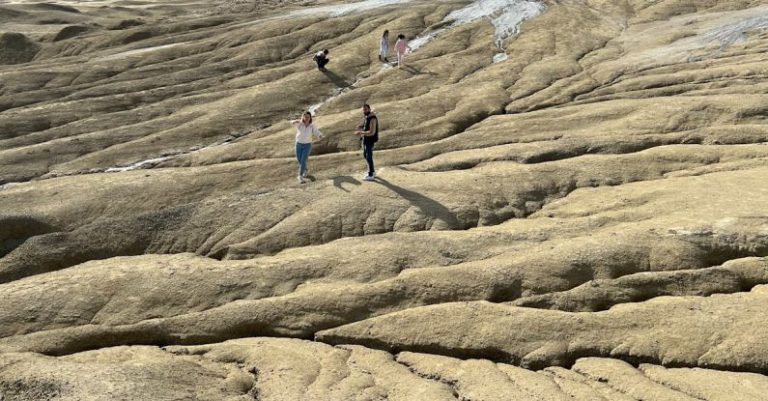
One of the primary environmental impacts of hiking is trail erosion. As hikers traverse through natural landscapes, they can inadvertently damage vegetation and soil, leading to erosion. The repetitive footsteps of hikers can cause trails to widen, soil compaction, and loss of vegetation, ultimately disrupting the ecosystem. Trail erosion not only affects the aesthetics of the landscape but also alters the habitat of local wildlife. To mitigate this impact, hikers should stick to designated trails, avoid cutting switchbacks, and refrain from creating new paths.
### Littering and Pollution
Another significant environmental concern associated with hiking is littering and pollution. Hikers often bring food, beverages, and other items with them on their treks, and unfortunately, some individuals may leave behind trash or litter along the trail. This not only detracts from the natural beauty of the environment but can also harm wildlife and pollute water sources. To combat littering and pollution, hikers should practice Leave No Trace principles, pack out all trash, and consider using reusable containers and utensils to minimize waste.
### Wildlife Disturbance
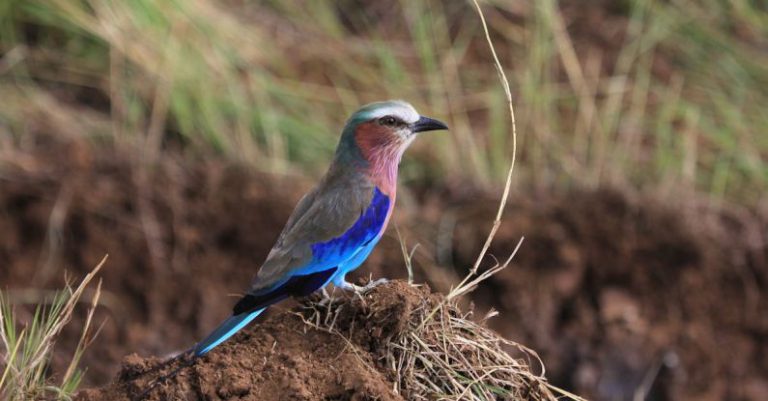
Hiking can also have an impact on wildlife, as the presence of humans in natural habitats can disrupt animal behavior and stress wildlife. Loud noises, excessive activity, and improper food disposal can all contribute to wildlife disturbance. It is essential for hikers to respect wildlife by keeping a safe distance, observing animals from afar, and refraining from feeding or approaching them. By minimizing human-wildlife interactions, hikers can help protect the well-being of the local fauna and maintain the ecological balance of the ecosystem.
### Habitat Fragmentation
Habitat fragmentation is another environmental consequence of hiking, particularly in areas with high foot traffic. As more hikers frequent a particular area, the natural habitat can become fragmented, isolating plant and animal populations and limiting their ability to migrate and interact. To reduce habitat fragmentation, hikers can disperse their use across multiple trails, avoid overcrowded areas, and support conservation efforts that aim to preserve and connect natural habitats.
### Soil Compaction
Soil compaction is a lesser-known but significant environmental impact of hiking. The constant pressure exerted by hikers’ footsteps can compact the soil, reducing its porosity and affecting nutrient cycling and water infiltration. Compacted soil is less able to support plant growth and can lead to erosion and loss of biodiversity. To minimize soil compaction, hikers can stick to established trails, avoid walking on fragile vegetation, and choose paths that are less susceptible to compaction.
### Conclusion: Sustainable Hiking Practices
In conclusion, while hiking provides numerous physical and mental health benefits, it is essential for outdoor enthusiasts to be mindful of the environmental impacts of their activities. By following sustainable hiking practices, such as staying on designated trails, packing out trash, respecting wildlife, minimizing habitat fragmentation, and avoiding soil compaction, hikers can help preserve the natural beauty of the landscapes they enjoy exploring. Through responsible outdoor recreation, individuals can continue to experience the wonders of nature while contributing to the conservation and protection of our planet’s precious ecosystems.