
For many photography enthusiasts, capturing the beauty of the great outdoors is a passion that fuels creativity and adventure. Whether you are a beginner looking to improve your skills or a seasoned photographer wanting to take your outdoor shots to the next level, there are several techniques and tips that can help enhance your outdoor photography skills. From understanding light and composition to mastering camera settings and post-processing, here are some valuable insights to help you elevate your outdoor photography game.
Mastering the Art of Composition
Composition is a fundamental aspect of photography that can make or break a shot. When it comes to outdoor photography, paying attention to composition is key to creating visually appealing images. One of the basic composition techniques is the rule of thirds, where you divide your frame into a 3×3 grid and place your subject along the gridlines or at the intersection points. This simple technique can help add balance and interest to your outdoor photos.
Another important aspect of composition in outdoor photography is leading lines. Leading lines are elements in a scene that guide the viewer’s eye towards the main subject of the photo. This could be a winding path, a row of trees, or a river snaking through the landscape. By incorporating leading lines into your compositions, you can create a sense of depth and draw the viewer into the scene.
Understanding Light and Shadows
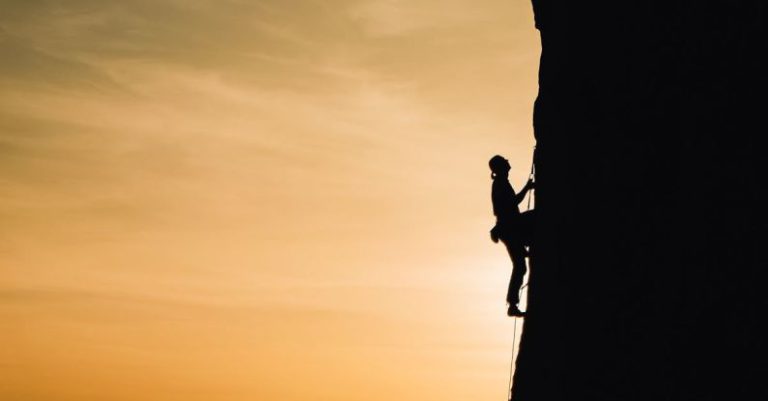
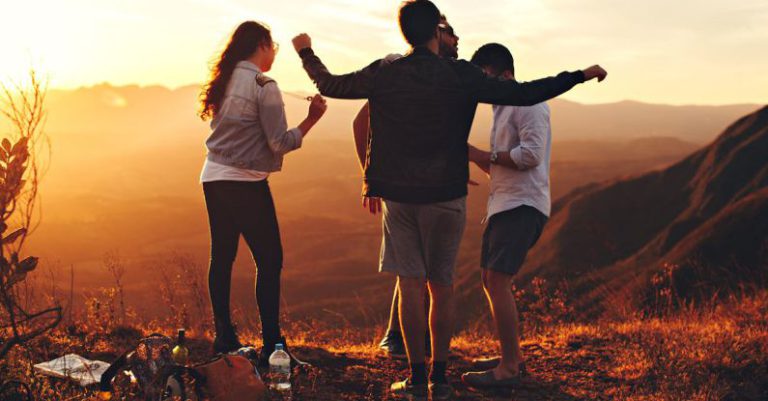
Light is the most crucial element in photography, and mastering how to work with natural light can significantly enhance your outdoor shots. The golden hour, which occurs during sunrise and sunset, offers soft, warm light that can add a magical quality to your outdoor photos. Shooting during this time of day can help create stunning landscapes with rich colors and long, dramatic shadows.
On the other hand, shooting in harsh midday light can result in harsh shadows and blown-out highlights. To avoid this, consider shooting in shaded areas or using a diffuser to soften the harsh light. Pay attention to the direction of light and how it interacts with your subject to create dynamic and visually appealing outdoor photos.
Experimenting with Camera Settings
Understanding your camera settings is essential to capturing well-exposed and sharp outdoor photos. Experimenting with settings such as aperture, shutter speed, and ISO can help you achieve the desired effect in different lighting conditions. For landscapes, using a smaller aperture (higher f-stop number) can ensure that both the foreground and background are in sharp focus, while a faster shutter speed is ideal for capturing fast-moving subjects in action.
Additionally, adjusting the white balance settings on your camera can help you capture the true colors of the scene you are photographing. By selecting the appropriate white balance setting based on the lighting conditions, you can avoid color casts and ensure that your outdoor photos look natural and vibrant.
Post-Processing for Impact
Post-processing is a powerful tool that can help you enhance the mood and tone of your outdoor photos. Whether you prefer to use editing software like Adobe Lightroom or mobile apps like Snapseed, learning how to post-process your images can take your outdoor photography to the next level. From adjusting exposure and contrast to fine-tuning colors and adding creative effects, post-processing allows you to…
Exploring Different Perspectives
To truly stand out in outdoor photography, it’s essential to think outside the box and explore different perspectives. Instead of shooting at eye level, try getting low to the ground or climbing to a higher vantage point to capture unique angles and viewpoints. Experimenting with different lenses, focal lengths, and camera angles can help you create dynamic and engaging outdoor photos that tell a compelling story.
By incorporating these tips and techniques into your outdoor photography practice, you can enhance your skills, unleash your creativity, and capture stunning images that showcase the beauty of the natural world. Remember, practice makes perfect, so don’t be afraid to experiment, make mistakes, and learn from them. With dedication, patience, and a keen eye for detail, you can elevate your outdoor photography skills and create captivating images that inspire and delight viewers.